franchising
A Day in the Life of a Cork & Candles Owner
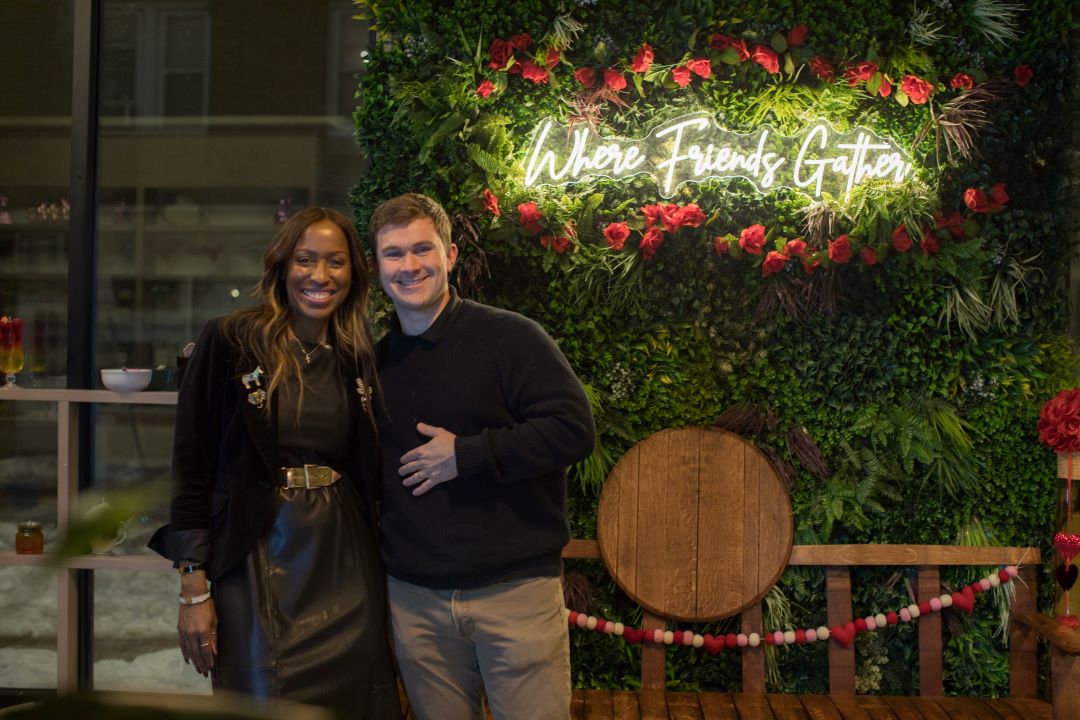
Most people imagine entrepreneurship as a grind: spreadsheets until midnight, chasing vendors, troubleshooting a hundred tiny fires before lunch. And sure, owning an experience business has its share of logistics and late nights. But when you run a scent bar where people come to laugh, blend fragrances, and make something they'll actually burn at home, the work looks different than you'd think. It's less about managing inventory and more about reading the room. Less about pushing transactions and more about teaching someone how to pair Rose Bubbly with Espresso Latte without second-guessing themselves.
Here's what a typical day actually looks like when you own a Cork & Candles location.
Morning: Systems Before Guests Arrive
The day starts quiet. Doors are locked, lights are low, and the first hour is about making sure everything's set for the sessions ahead. A Chandler preps the tables: fresh wicks, clean pouring pitchers, scent-tracking cards stacked in reach. The Scent Library gets a once-over to make sure every fragrance is topped off and clearly labeled. Guests browse those 60 oils like a wine list, so running out of Bamboo Garden or Crisp Champagne mid-session isn't an option.
Meanwhile, the owner checks the day's reservations. A bachelorette party of eight at 2 p.m., a couple doing a walk-in date night at 5, a corporate team-building group of twelve booked for 7. Each session is 90 minutes, each guest makes two 8 oz. candles, each candle is a blend of exactly two scents. The math is consistent, but the energy shifts depending on who's in the room. A weeknight couple wants low-key conversation across the table. A Friday bachelorette group wants music, wine, and permission to be loud. The owner's job is to anticipate that and staff accordingly.
There's also a quick walk-through of the physical space. Is the lighting warm enough? Are the tables set face-to-face the way they're supposed to be, so guests can actually talk to the person they came with instead of staring at a wall? Does the whole room feel like the Napa-style scent bar it's designed to be, or does something feel off? Owning an experience business means sweating the vibe in a way you wouldn't if you were just moving product.
Midday: The First Session and Real-Time Problem Solving
By noon, guests start arriving. The bachelorette group shows up early, excited, half of them already holding wine bottles. BYOB is central to the Cork & Candles model, and part of the owner's role is making sure the team knows how to handle it like a restaurant, not a craft class. Chandlers open bottles tableside. Guests don't fumble with corkscrews or feel awkward about whether they brought the right thing. They sit down, get comfortable, and start smelling.
The owner isn't leading the session, a trained Chandler is handling that table, but the owner is watching. Are guests overwhelmed by the size of the Scent Library, or are they leaning in and having fun with the options? Is the Chandler reading the group's energy correctly, giving them space to explore or stepping in with pairing suggestions when someone's stuck between Pumpkin Spice and Vanilla? This is where the experience either clicks or doesn't, and it's the owner's job to notice when a small adjustment (a music volume tweak, a second round of glasses, swapping out a Chandler who's having an off day) makes the difference.
One guest at the bachelorette table is convinced she can't make anything that'll smell good. The Chandler walks her through a warm, familiar pairing: Hot Cocoa and Peppermint. She smells it, relaxes, pours. Forty-five minutes later, she's taking a photo of her finished candle and texting her mom about coming back. That moment, watching someone go from "I don't know what I'm doing" to "I made this and it's actually great," is the reason people get into owning an experience business in the first place.
Afternoon: Operations, Logistics, and the Stuff No One Sees
Between sessions, the owner shifts gears. There are emails to answer, supply orders to place, a conversation with the landlord about HVAC maintenance. There's payroll to review and a new Chandler hire to onboard. Someone called asking about a private buyout for a corporate event, so there's a proposal to send and a back-and-forth about whether they want the space on a Thursday or a Saturday (answer: book promptly, because wedding season fills fast, but any day works if they reserve early).
This is the unglamorous part. Owning an experience business still means running a business, which means invoices, compliance paperwork, maintaining relationships with vendors, and solving problems guests will never see. The wax supplier had a shipping delay last week, so the owner had to coordinate a backup order to avoid running out mid-weekend. A Yelp review mentioned parking confusion at the King of Prussia location, so there's a note to update the website with clearer directions to the Main Street lot.
But even the operational work ties back to the guest experience. When you're not selling widgets, when your product is the 90 minutes someone spends at your table, every behind-the-scenes decision either supports that or undermines it. The owner who understands this doesn't see logistics as separate from hospitality. They're the same job.
Evening: The Rush, the Energy, and Why Hospitality Matters
By 6 p.m., the space is humming. Walk-ins are asking if there's room (sometimes yes, often no, especially on weekends). The corporate group is mid-session, and the dynamic is visibly different from the bachelorette party earlier. No one's trying to be the loudest. They're sitting across from colleagues they see every day in a conference room, but in a completely different context. One of them is blending Bergamot Tobacco and Sandalwood. Another is debating whether to go tropical with Pina Colada and Mango & Papaya. The table's laughing because the guy who "doesn't do creative stuff" just made something that smells better than anyone expected.
This is the load-bearing insight for any experience business: candle making is universally accessible. It doesn't require athletic ability like Top Golf, artistic confidence like paint-and-sip, or the risk of looking foolish in front of your team. Everyone can pick two scents they like and pour. Everyone walks out with something they made and actually want to keep. That's the differentiator, and it's the owner's job to protect it by making sure the experience stays approachable, never precious or intimidating.
The owner might step in to help a walk-in couple who showed up without a reservation and got lucky with a last-minute opening. Or troubleshoot a Chandler who's running behind because a guest spilled wax and needed a do-over. Or just stand back and watch the room, making sure the vibe is holding.
Close: Cleanup, Reflection, and the Long Game
After the last session, the team cleans. Tables get wiped, wicks get restocked, the Scent Library gets tidied. The owner walks the space one more time, checking what worked and what didn't. A guest asked about a scent we don't carry anymore. Two groups mentioned wanting to come back for a second session to try different fragrances. Someone left a five-star review on Google specifically naming their Chandler.
Owning an experience business isn't a typical 9-to-5, and it's not passive income. It's reading people, managing hospitality like a restaurant, staying on top of operations like retail, and holding the standard for a brand that's built on sensory memory and word-of-mouth. The hard part is that you can't phone it in. The good part is that when it works, guests remember it. They come back. They tell their friends. They book their bachelorette, their date night, their team offsite at your place because the experience actually delivered.
Curious about opening your own Cork & Candles location? Learn more.