franchising
Featured in Franchise Times: Why Cork & Candles Is Built for the Experience Economy
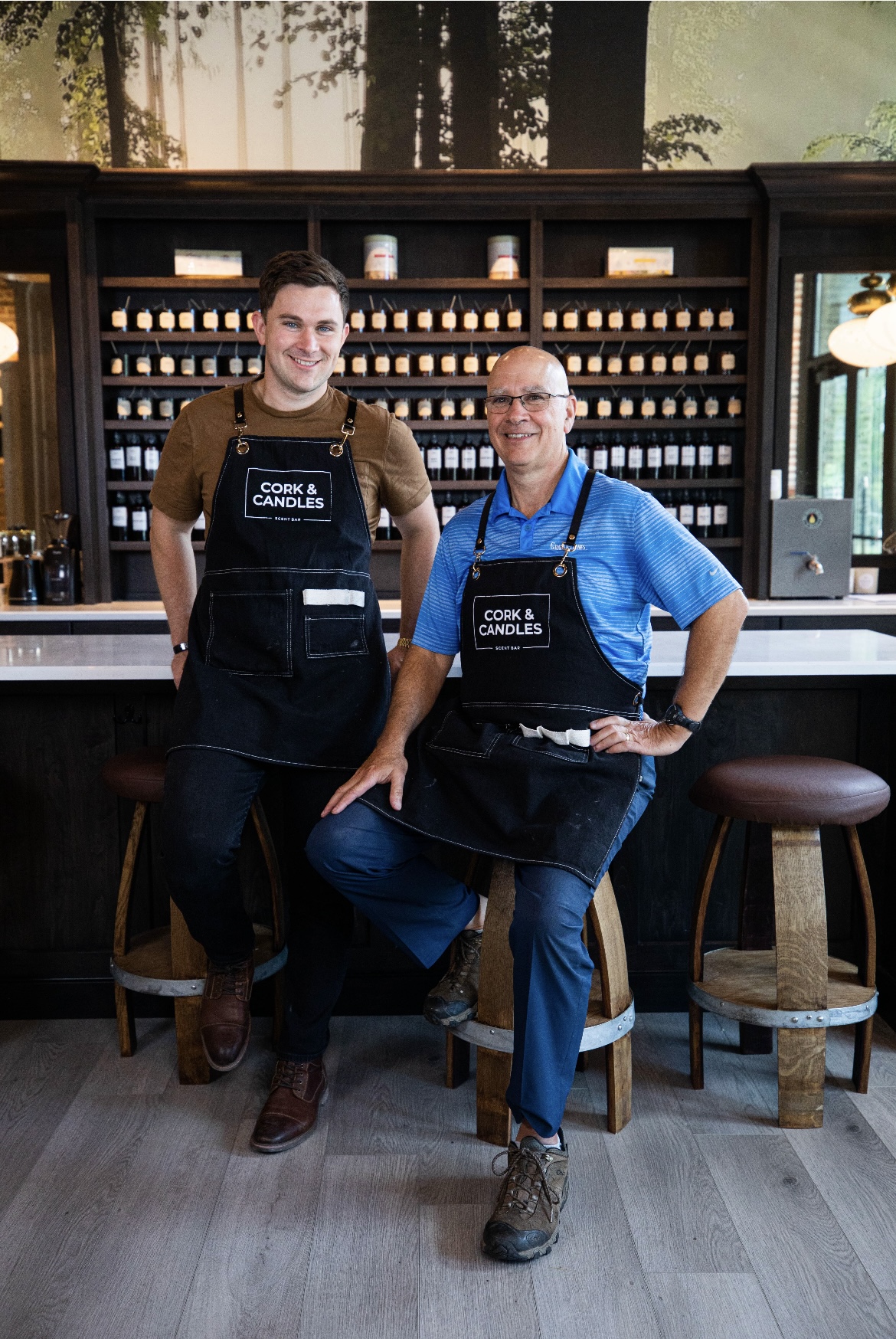
Getting featured in national trade media feels like an inflection point, the moment when the thing you've been building quietly starts to get recognized out loud. Last week Franchise Times published a story spotlighting Cork & Candles alongside three other brands ready to lean into what they're calling the experience economy, and while we're grateful for the recognition, the real story isn't the article itself. It's what we've been watching happen at the tables for years now, the way guests show up looking for something besides another transaction, and how that shift is reshaping what hospitality looks like in 2026 and beyond.
What the experience economy actually means (from inside it)
The term "experience economy" gets thrown around in franchise conferences and business-school case studies, but here's what it looks like on the ground: a couple books a 90-minute session on a Friday night, brings a bottle of wine, spends the first 20 minutes smelling through 60 fragrances in the Scent Library while their Chandler walks them through notes and families. They're not here to learn candle-making as a skill. They're here because they want to sit across the table from each other, have an actual conversation, make something with their hands, and leave with a physical reminder of the night. The candle is the souvenir. The experience is the product.
We've seen this play out across all three locations, King of Prussia, Center City Philadelphia, Ardmore on the Main Line. Bachelorette groups that could have picked another bar crawl choose us instead because the bride actually gets to talk to her friends. Corporate teams show up midweek because blending fragrances and pouring wax turns out to be a better icebreaker than trust falls. Date nights that might have defaulted to dinner and a movie land here because there's something to do with your hands while you talk, and the conversation flows differently when you're working on something together.
The experience economy isn't a marketing buzzword when you're watching it happen in real time. It's guests choosing connection over convenience, memory over merchandise. It's the reason our Valentine's Day and Mother's Day sessions sell out weeks in advance, not because we're running a promotion but because people are actively seeking out time with the people they care about, and they want that time to feel intentional.
Why scent is the unlock
One thing the Franchise Times piece gets right: scent is memory. Fragrance bypasses the rational brain and lands somewhere deeper, the smell of your grandmother's kitchen at Thanksgiving, the campfire at summer camp, the hotel lobby on your honeymoon. When guests blend two fragrances from the Scent Library, they're not just picking "what smells nice." They're chasing something they remember or something they want to remember. A Chandler will watch someone smell Pumpkin Pecan Waffles and see their face change, hear them say "this is exactly my mom's house in October," and that's the moment the experience shifts from activity to ritual.
We built the Scent Library around that emotional trigger. Sixty fragrances grouped into five families, Signature, Earthy, Fresh & Floral, Sweet & Fruity, Exotic. Each guest picks exactly two scents per candle, blends them, pours two 8 oz. candles during the session. The curation matters. Too many options and decision fatigue kills the joy. Too few and you lose the discovery. Sixty hits the sweet spot where guests feel like they found something personal without feeling overwhelmed.
The other unlock is BYOB. Bringing your own wine or beer (or grabbing a glass at our Center City location, which sells wine on-site) changes the vibe from craft class to evening out. It's Napa-style hospitality, wine-bar warmth, soft lighting and warm wood and the hum of conversation across tables. Guests aren't sitting in rows facing a teacher. They're sitting across from each other at their own table with their own Chandler, the way you'd sit at a restaurant. The layout is intentional. Face-to-face seating means you're looking at the person you came with, not working side by side on a project. The candle is the excuse. The company is the point.
What founders learn when guests keep coming back
Dave Straub, who opened Cork & Candles with his son Kenny and learned candle-making from his own father Ken in the 1960s, has a line he uses when talking to prospective franchise partners: "getting cheeks in seats." It sounds blunt, but it's the truth every hospitality business lives or dies by. You can have the best concept in the world, but if people don't show up and if they don't come back, you don't have a business. The experience economy thesis only works if the experience is worth repeating.
What we've learned from watching repeat guests is that the first visit is about novelty. The second visit is about nostalgia. Someone books their first session because it sounds fun or different. They book their second session because they want to smell what their first candles became after the 7-day cure, try different scent combinations, make one as a gift, bring someone new. That return visit is where the model proves itself. It's not a one-time event. It's a place people come back to because the experience delivered something they couldn't get elsewhere.
The other thing that shows up in repeat visits: guests get better at blending. First-timers often default to safe pairings, Lavender Thyme and Eucalyptus, Vanilla and Sugar Cookie. Returners take risks. They'll pair Bergamot Tobacco with Rose Bubbly, Espresso Latte with Sandalwood, combinations a Chandler wouldn't necessarily suggest but that end up working because the guest knows what they're chasing. That confidence, that ownership over the creative process, is what the experience economy is actually selling. Not a candle. Not a night out. A version of yourself that's a little more playful, a little more present, a little more willing to experiment.
The franchise model as a bet on connection
Most of this post has been about the guest experience because that's what we live inside every day. But the reason Franchise Times picked us for that feature is because we're betting that this model, premium BYOB scent bar, Napa-style vibe, face-to-face seating, Chandler-led service, translates across markets. King of Prussia, Center City, and Ardmore all feel like Cork & Candles, but they also feel like their neighborhoods. The King of Prussia location pulls from the suburbs and the corporate corridor. Center City draws tourists, downtown residents, pre-theater crowds. Ardmore taps into Main Line community energy, first-Friday karaoke nights, regulars who walk from their house.
That adaptability is the franchise thesis. The model works because the core loop works: reserve a table, bring someone you want to spend time with, blend scents, pour candles, take them home after a week, remember the night every time you light one. The specifics, which scents are most popular, whether guests are bringing wine or buying it on-site, whether it's a bachelorette party or a corporate offsite, flex by location and season, but the structure holds.
The Franchise Times story frames us alongside other brands capitalizing on the experience economy, and that's the right framing, but it's worth naming what makes this different from other "experience" concepts. This isn't an escape room where you solve puzzles for an hour and leave. This isn't a paint-and-sip where the instructor tells you which brush to use. This is a space designed for conversation, where the activity is secondary to the company, and the thing you make is a reminder of who you made it with.
If you've been following Cork & Candles as a guest and you're curious what it looks like from the ownership side, or if you're an entrepreneur watching the experience economy shift and wondering where the real opportunities are, the short answer is: in the places people choose to spend their time when they're not obligated to be anywhere. That's the market we're in. That's the bet we're making.