franchising
How a Three-Generation Family Built a Modern Scent Bar
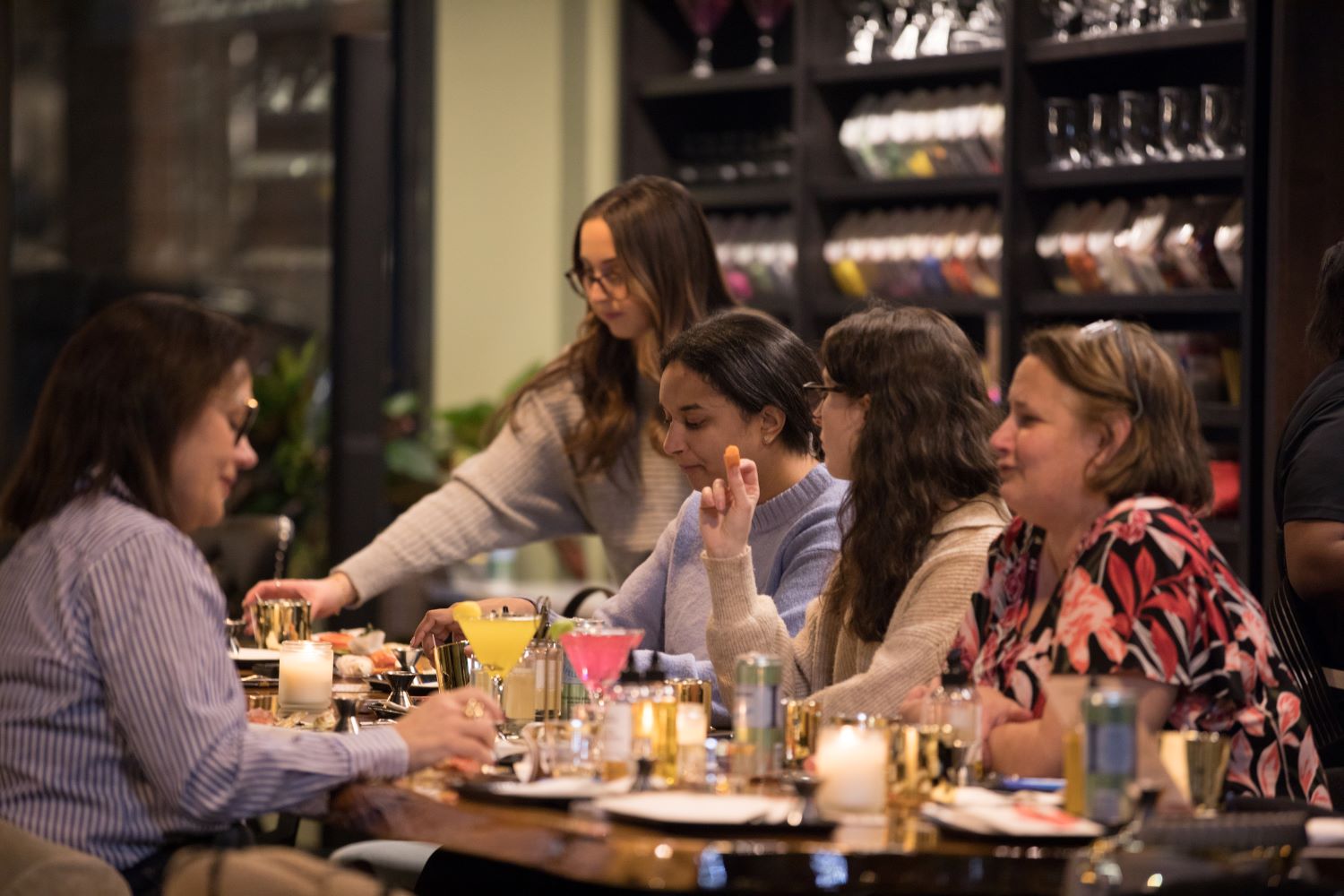
Most hospitality businesses start with a business plan and a target demographic. Cork & Candles started with a father teaching his son how to melt wax in a garage, decades before anyone thought to pair candle making with a glass of wine.
Dave Straub learned candle making from his father Ken in the 1960s. Not as a business venture. As something to do together, the kind of quiet craft that fills a Saturday afternoon when you're trying to teach a kid patience and precision. Years later, when Dave's own son Kenny was old enough to hold a thermometer steady, the tradition continued. Three generations, same pouring technique, same understanding that scent triggers memory in ways nothing else does. The candles were never about the candles. They were about the time spent making them.
That's the foundation Cork & Candles was built on, and it's why the experience works the way it does. When Dave and Kenny opened the first location together in King of Prussia, they didn't design a candle workshop. They designed a place that recreates what happened in that garage: two people sitting across a table from each other, blending fragrances, talking, making something they'll take home and remember. The business model is hospitality rooted in muscle memory. That matters more than most founders realize when they're sketching revenue projections.
The business insight that doesn't show up in a pro forma
Family businesses fail when they try to formalize what worked informally. Cork & Candles succeeded because Dave and Kenny understood the opposite: the informal part, the relationship part, is the entire product. Strip that away and you're selling commodity candles at a 90-minute markup.
Here's the mechanic: every guest gets a Chandler (the traditional term for a candle maker, and what Cork & Candles staff are called). That Chandler serves their table individually, the way a server works a table at a restaurant. Not group instruction. Not a single teacher at the front of a room leading twenty people through steps. One table, one Chandler, the kind of attention that makes someone feel like the evening was designed specifically for them. It's expensive to staff that way. It's also the only reason people come back, bring friends, and book the experience for birthdays, bachelorettes, and corporate teams.
The Chandler brings guests to the Scent Library, a curated collection of 60 fragrances organized by family: Signature, Earthy, Fresh & Floral, Sweet & Fruity, Exotic. Guests choose two scents per candle. Not three, not five, not "as many as you want." Two. That constraint is load-bearing. It forces a decision, which forces conversation. "Do you think Lavender Thyme works with Espresso Latte?" is the kind of question that turns into a fifteen-minute debate about coffee, past vacations, and whether floral scents ever actually smell like flowers. The constraint creates the connection. Remove it and you lose the magic.
Each session is 90 minutes. Guests make two 8 oz. candles. The candles cure for seven days before first burn, which means every guest has a reason to reach out a week later with a photo of the lit result, or to tell someone they should try it, or to book another session to make one as a gift. The seven-day cure is a built-in retention loop. Most experience businesses struggle to drive repeat visits. Cork & Candles designed it into the chemistry.
The hospitality layer that's harder to replicate than the candles
Cork & Candles is BYOB. Wine or beer (no spirits), and guests bring their own bottles. At King of Prussia and Ardmore, that's the only option. At Center City, there's wine available for purchase on-site, but BYOB is still welcome. The BYOB model does two things: it lowers the operational complexity (no liquor license negotiations, no inventory management, no liability around over-serving), and it makes the experience feel like something you're hosting, not something you're attending. Guests pick their favorite bottle, bring it, and a Chandler opens it for them the way a server would at a restaurant. Corkscrew provided, no questions asked.
That detail, small as it sounds, separates Cork & Candles from the craft-class category. You're not bringing supplies to a workshop. You're being hosted. The Napa-style design reinforces it: warm wood, soft lighting, wine-bar atmosphere. The stores don't look like studios. They look like tasting rooms.
Seating matters more than most people think. Tables are set face-to-face, not side-by-side. That's intentional. The experience was designed around conversation with the person you came with, the way you'd sit across from someone at dinner. Groups get their own table. You're not seated with strangers. The layout is hospitality infrastructure, not classroom logistics, and it changes the entire social dynamic.
What made it scalable without losing the original thread
Cork & Candles now operates three locations: King of Prussia, Center City Philadelphia, and Ardmore on the Main Line. Each one books groups up to 15 people online. Larger groups book private events. Walk-ins are welcome when seats are available, but reservations are strongly recommended, especially weekends and holidays. Valentine's Day and Mother's Day sell out weeks in advance every year.
Beyond the Signature Experience, there are Novelty experiences: seasonal or themed sessions that use unique vessels (margarita glass candles, cereal bowl candles, depending on the calendar). Ardmore runs Karaoke & Candles on the first Friday of each month. These variations keep the brand fresh without requiring a new business model. Same Chandler-to-table service, same 90-minute format, same two-scent blend. Different vessel, different vibe, new reason to come back.
The model scales because the core experience doesn't change. A Chandler in Ardmore teaches the same blending approach a Chandler in King of Prussia teaches. The Scent Library is consistent across locations. Guests who made a candle in Center City can recreate it in King of Prussia using the scent-tracking card they took home from their first session. That consistency is what makes the brand portable. But it only works because the consistency is rooted in hospitality training, not a script. You can teach someone to serve a table. You can't teach someone to care about whether a guest's evening is memorable. Dave and Kenny built a business that requires the second part, and they hired and trained accordingly.
Why the origin story still drives the business decisions
Cork & Candles is a three-generation, family-owned small business, and that's not marketing copy. It's why the company operates the way it does. The decision to use individual Chandlers instead of group instruction came from Dave's memory of learning one-on-one with his father. The decision to make guests sit face-to-face came from understanding that the best part of making something with someone is the conversation that happens while your hands are busy. The decision to limit each candle to two scents came from Ken's original teaching: too many choices overwhelm, constraints liberate.
Every operational choice traces back to a moment in that garage, which means the business has a theory of change baked in. Cork & Candles isn't selling candles. It's selling the conditions under which people connect. Scent is the delivery mechanism. The Signature Experience is the structure. But the product is time spent with someone you care about, doing something that feels creative and low-stakes and worth repeating.
That's what made it work in King of Prussia. That's what made it work in Center City and Ardmore. And that's the part that matters if you're thinking about building something similar in your own market.
Curious about opening your own Cork & Candles location? Learn more.